

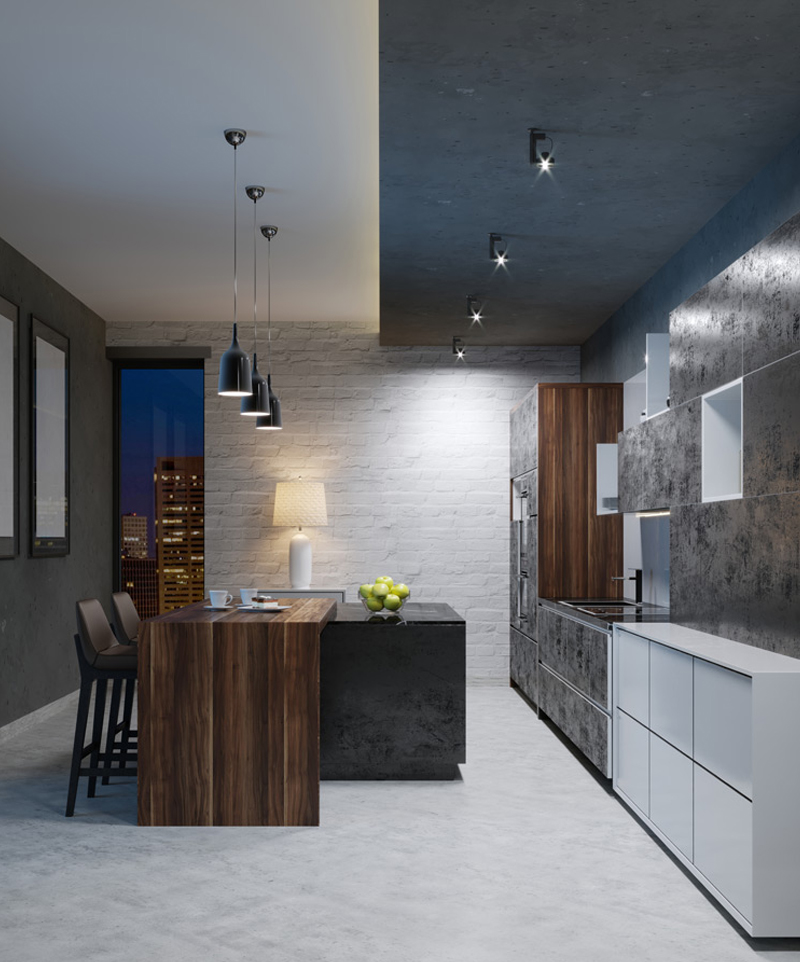


One of the biggest problems that people face when deciding to choose an interior design is their inability to describe their personal and desired interior design style. Since there are many different unique design styles, it can be difficult to decide which style will be suitable for you. Some also prefer to mix elements of different styles to create their dreamy design. The best place to start an interior design project is to know a little about each of the styles and become familiar with their differences.
The most famous interior design styles

1. Modern
Modern is a style that usually includes a home with clean, solid lines, an uncomplicated set of colors and the utilization of substances that can be metal, glass and steel. Modern design makes use of a sense of simplicity in every aspect such as furniture. A word that’s usually employed to define the modern style is sleek, and a modern style is free from many accessories and clutter.
2. Contemporary
It is a common mistake that people use modern and contemporary terms to refer to one style. Contemporary differs from modern since it defines design according to the right now. The main difference between modern and contemporary design styles is that modern is a solid interpretation of design that began in the 20th century. On the contrary, the contemporary is more flexible and can show a sense of currency with less commitment to one specific style. For instance, the contemporary style may involve curving lines, while modern design does not.

3. Minimalist
The minimalist style is one of the most popular ones. It adopts beliefs of modern design and makes them simpler further. Color palettes are neutral and bright; furnishings are simple and efficient, and there is no extra or elaborate thing in accessories or décor. Minimalism is finally described by a sense of practicality and extremely clean lines.
4. Industrial
Industrial style as the name suggests gets inspiration from a warehouse or an urban loft. The majority of elements represent a sense of rawness, and it’s typical to notice open brick, ductwork and wood. A recognizable home with an industrial design would be a reconstructed loft from a former industrial building. Imagine high ceilings, old timber and hanging metal light fixtures with small functional furniture. There may probably be one or two pieces of artwork or photography to add a touch of color to a neutral color background originating from the main materials of wood and metals.

5. Mid-century modern
Mid-century modern is applicable to design style of the mid-1900s. A kind of retro nostalgia can be found in Mid-Century Modern Design along with some elements of minimalism. Practicality was the primary theme for Mid-century design. It puts emphasis on simple forms, natural shapes, simple-to-use contemporary designs and uncomplicated fabrications. It simply completes any interior and also contributes to a smooth transition from interior to exterior.

6. Scandinavian
The Scandinavian design celebrates the simplicity of life displayed in Nordic countries. Scandinavian furniture design is very similar to a work of art, although it is simple and effective. There’s practicality in the furniture as well as some attractive lines, many of which have a sculptural effect.
7. Traditional
Traditional design style consists of classic features, luxurious furnishings, and a lot of accessories. It has developed from European sensibilities. Traditional homes usually include dark, finished wood, lively color palettes, and many different textures and curved lines.
8. Transitional
Transitional has gained great popularity since it makes use of both traditional and modern design to make the best use of a space that’s not “too much,” with regard to one style or another. There’s a kind of balance that’s attractive and unpredictable. A transitional design may include modern materials, like steel and glass, and then combine them with luxurious furnishings.

9. Bohemian
Bohemian is a very sought-after home design style. It shows an insouciant lifestyle with few rules. Bohemian homes may involve high-quality furniture and light fixtures, universally inspired textiles and rugs, exhibitions of collections, and objects found in different sources such as flea markets and during one’s trips.
10. Rustic
The rustic design draws inspiration from nature, utilizing raw and usually natural elements such as wood and stone. Rustic design may include accessories from the outside with warmth imitating from the design and architectural details that may involve features such as vaulted ceilings decorated with wood beams or reclaimed wood floors.
11. Shabby Chic
Shabby chic is considered a vintage-inspired style, but in comparison with Bohemian and other styles, it is more feminine, soft and fine. Shabby chic furnishings are usually distressed: paint usually has antique-style finishes. The Shabby Chic color palettes involve white, cream and pastels. Light fixtures and wall hangings may be elaborate and pursue the feminine mood of shabby chic design.

12. Hollywood Glam
Also known as Hollywood Regency, Hollywood Glam refers to a design style that is usually lavish, excessive and sumptuous. It’s a great design style, ideal for a homeowner who is interested in making a statement. This design style can possess some attributes of Victorian design, such as sumptuous, velvet furniture. The color palettes are especially bold such as purples, reds and turquoise.
13. French country
Warm, earthy colors are the specific colors that describe the French Country design style. French Country design may consist of soft and warm colors such as red, yellow or gold and natural substances such as stone and brick.