

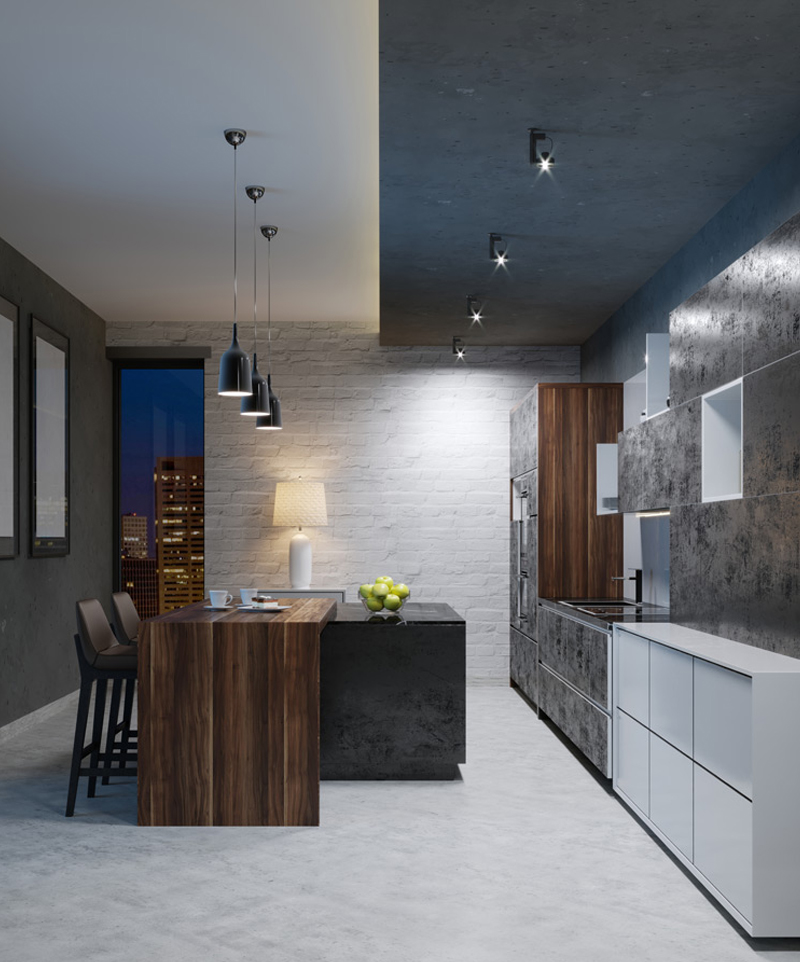

Architectural residential designs
Many people may not be familiar with the definition of residential architecture. Residential architecture refers to the design, planning, and building of homes including single-family homes and multi-family homes. It’s a specific field that concentrates on building living spaces that are both aesthetically appealing and practical. Residential architecture refers to the process of creating buildings for living in or around. This involves both single-family dwellings and multifamily homes like apartment buildings or condominiums. The purpose of residential architecture is to generate a space that fulfills the needs of its residents while also being visually attractive.

Design factors for residential architecture
When constructing a home, architects must take into consideration many issues. First, they must take into consideration the size of the lot and the zoning rules of the area to make sure that their designs obey local rules. They must also know the site’s natural characteristics and try to include them in their designs as much as possible. Furthermore, budget restrictions are usually an important issue when you think of residential architecture; architects must be able to build gorgeous structures within financial constraints.

The Design process
The design process usually starts with an initial discussion between the homeowner and architect during which they talk about their purposes for the project. The architect designs initial sketches according to these purposes and delivers them to the homeowner for comment and evaluation. Once a design has been completed, construction can start. During this process, architects usually monitor every facet of the building from beginning to finish to make sure that their vision is fulfilled completely.

From concept to construction
Once a design is confirmed, a residential architect will cooperate with engineers and contractors to make sure that the home is constructed based on the plan. This may include seeking advice from an engineer about structural elements like foundations or walls or cooperating with contractors to specify the best substances for each element of the home.

Designing sustainable structures
Sustainability has become a significant consideration in residential architecture over the past years since people try to find ways to decrease their environmental traces. Architects are now trying to find ways to build homes that make use of fewer resources while still being cozy and appealing spaces. This involves making use of green materials like bamboo, reclaimed wood and solar panels along with creating effective heating/cooling systems that consume less energy. By concentrating on sustainable design approaches, residential architects can assist in making the homes eco-friendlier without damaging style or comfort.

The major advantages of hiring residential architects and interior designers
Here are some of the major advantages of hiring residential architects and interior designers:
Custom design: Residential architects and interior designers collaborate with homeowners to become aware of their needs and desires, and then generate customized designs that mirror their individual styles and preferences. This guarantees that the final outcome is a home constructed based on the homeowner’s lifestyle and identity.
Space planning: One of the major advantages of collaborating with a residential architect is their expertise to generate efficient and efficacious space plans. They are professional at creating homes that take full advantage of space and build practical, habitable environments. They are also aware of how to create spaces that move naturally and take full advantage of natural light, which can be useful for both the beauty and energy efficiency of the dwelling.
Building codes and zoning: Residential architects know regional building codes and zoning rules. So, that will guarantee that the design of the home meets the essential safety and legal requirements. This can lead to saving lots of and money in the long run. Since there is no need to be worried about making expensive changes or taking action on legal issues.
Project management: Residential architects and interior designers usually participate in the building process from the very beginning. They can manage all the facets of project management, such as budgeting, scheduling, and cooperation with contractors and other experts. This can lead to the reduction of stress and unpredictability for homeowners.
Attention to detail: Residential architects and interior designers usually pay too much attention to detail. They also pay exact attention to the slightest details and ensure that everything is great, from the installation of electrical outlets to the choice of finishes and fixtures. This guarantees that the final result is a home that is not only gorgeous but also practical and well-constructed.
Sustainability: Many residential architects and interior designers are familiar with sustainable design, which means they are able to build homes that are energy efficient and eco-friendly. This can lead to saving lots of money on energy expenses in the long run.
Interior design: In addition, interior designers cooperate with homeowners to generate gorgeous and practical interiors that mirror their personal styles and preferences. They can be helpful with everything from choosing paint colors and flooring materials to organizing furniture and accessories. This can be highly beneficial for homeowners who are uncertain of how to generate a flawless appearance and feel for their homes.

Residential architecture
Residential architecture involves townhouses, mansions, apartment complexes, and other residential spaces. Every customer has different needs, and those who decide to become residential architects must be aware of this indisputable fact of life. Finally, the proper residential architect or residential architecture company will offer a beautiful, safe and practical product; one that act in accordance with local building codes and that simultaneously is suitable for your requirements and aesthetic desires.